

Protocols / how
The how, in order. Every step credited to Cure Soil or the OG it came from.
Treat the soil, not the symptoms.
Protocols are for members. Join ROOT or GROW to open them.
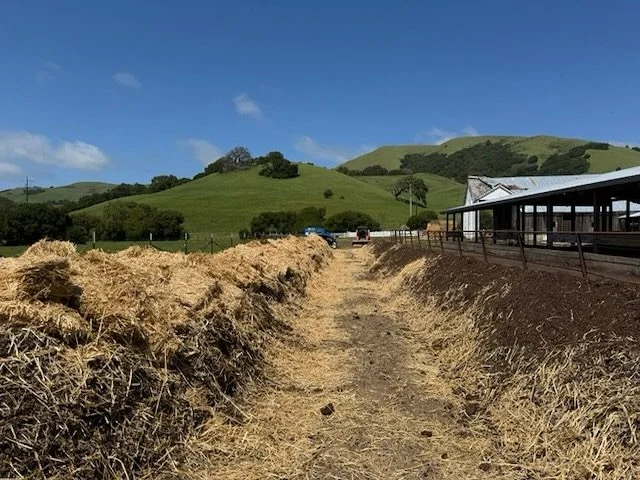
Put your garden to bed
Close out the growing season without leaving your soil bare, hungry or torn up. Done in this order, these eight steps protect the life in your soil through winter and set the next planting up to start strong instead of starting from scratch.
garden · container · members
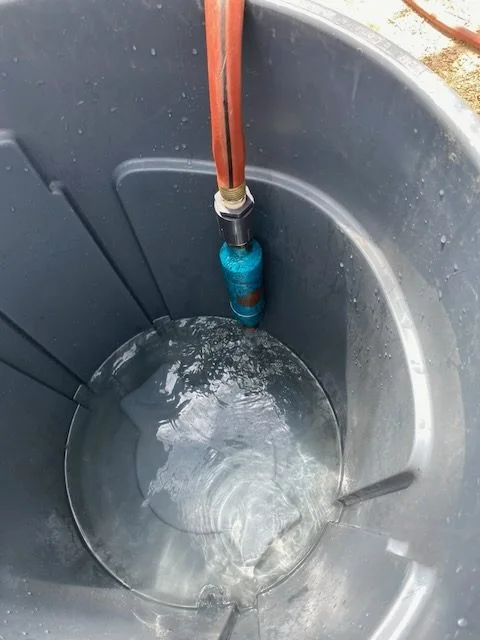
Making extracts I: the bucket method
A compost extract is the life in good compost (fungi, bacteria, protozoa and nematodes) shaken loose into water so you can pour or spray it where you need it. This is the home garden way to make one in a bucket and get it onto the ground while it's still alive.
garden · container · members
Making extracts II: continuous flow
At farm or property scale, a bucket won't keep up. A continuous flow extractor feeds compost into water jets at a steady rate, so you get a constant stream of extract at a set strength that goes straight into your irrigation lines.
farm · members
Extract vs tea
People use "compost tea" for two very different things. Here's why Cure Soil extracts compost instead of brewing it, and why the difference matters for what ends up in your soil.
garden · container · farm · members
The six extract additives
Six things can ride along in an extract and help the life in it. Here's what each one is, what it does in plain words, and when it goes in.
garden · container · farm · members
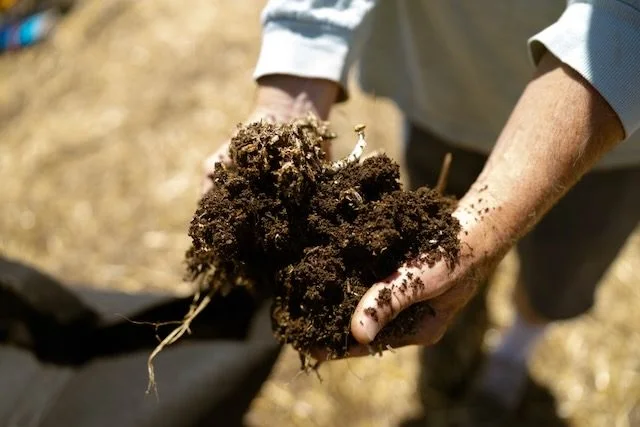
Compost application
Living compost does its work where the roots are. This is how to put it down so it actually moves into your soil, inoculates the root zone with life and protects it, and how to keep that life topped up.
garden · container · farm · members
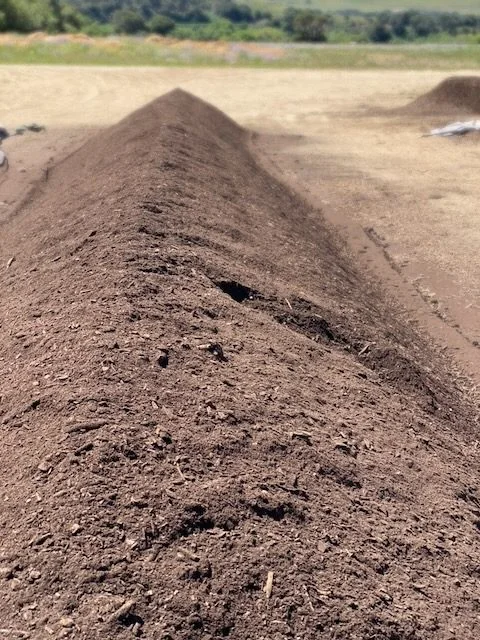
Making compost at home
Build your own compost pile the way the OGs did. Here are four proven methods, from Sir Albert Howard's original heap to David Johnson's no turn bioreactor, and the one check that tells you whether any of them worked.
garden · members
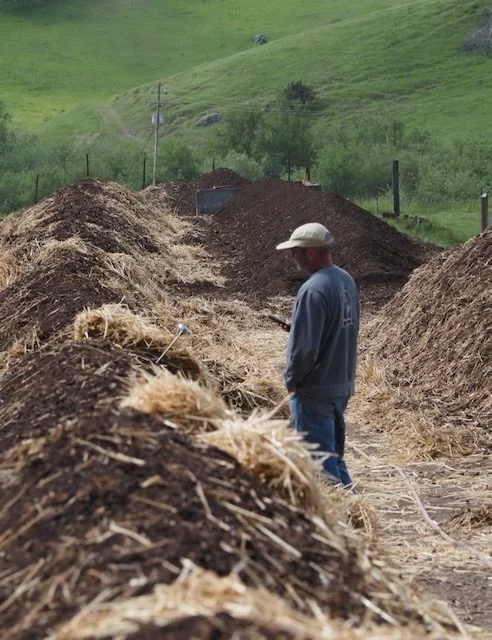
Mulching
Bare soil is a wound: rain hammers it, sun bakes it, and the life near the surface dies. Keep it covered all year, with the right mulch in the right place, and your soil stays alive and fed.
garden · container · farm · members
Cover cropping
A cover crop is a planting grown to feed and protect the soil rather than to harvest. Living roots hold the soil in place, feed the life in it, and can grow your own compost material too.
garden · farm · members
Fertilizing by your soil test
Feed what is short and stop feeding what is not. Your soil test tells you which is which, and most gardens turn out to have more of most nutrients than the plants can use.
garden · container · farm · members
Potassium program
When potassium (K) is truly short, it goes first, because it matters most for yield. "Truly short" means more than one test agrees; then you feed it in small, split doses so you don't salt the soil.
garden · farm · members
Boron program
Plants need only a tiny amount of boron, and the line between enough and too much is narrow. Check your water first, then split the season's boron into small doses. Never put it all on at once.
garden · farm · members
Calcium the Albrecht way
Calcium is a nutrient, not just a pH fix. William Albrecht showed that what matters is calcium's share of the soil's holding sites, and your soil test decides whether you need calcium, which kind, and how much. Never habit.
garden · farm · members
Nitrogen: hold the line
There's no fixed nitrogen budget here. Measure first, and add nitrogen only when a test says the plant is running short, never by the calendar.
garden · farm · members
Phosphorus: leave it in the bank
Many garden soils hold a large phosphorus reserve. When yours does, the right amount to add is none, on purpose, and the job is to let soil life unlock what's already there.
garden · farm · members
Micronutrients: tissue first
A micronutrient that reads "below detection" in the paste test isn't a reason to add it. Check the reserve, confirm with a leaf tissue test, and only then spray a targeted dose.
garden · farm · members
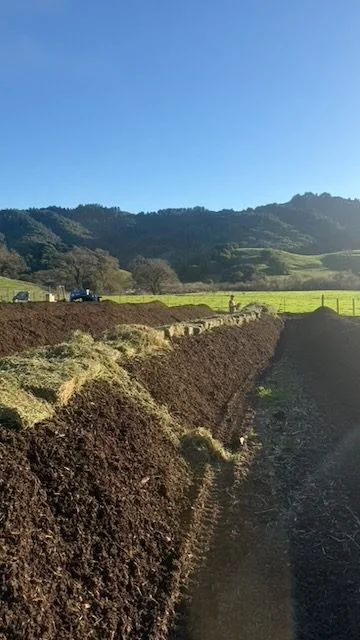
Fermented humic acid
Fermented humic acid is always on: it goes out with every fertigation (feeding through irrigation water) or monthly as a dry product, because it helps nutrients move and feeds the fungi.
garden · container · farm · members
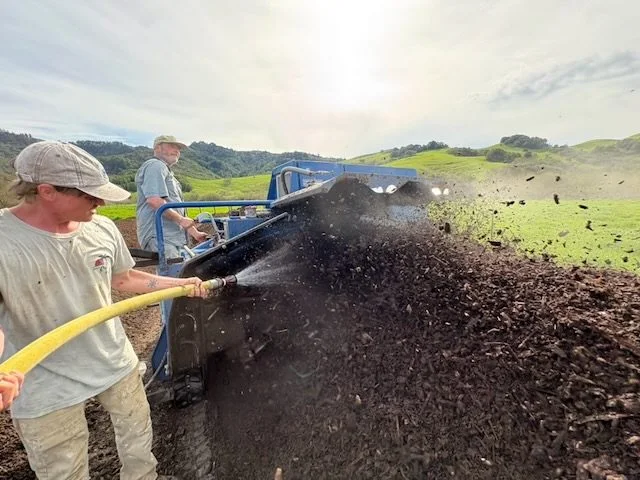
Water: read it, credit it, condition it
Your irrigation water is a fertilizer and an amendment whether you mean it to be or not. Read a water test before you write any rate, credit what the water already adds, and fix what it's doing wrong.
garden · container · farm · members
Sulfate discipline on salty ground
No fertility program can outrun a salty water source. On high sulfur ground, stop adding sulfate, find where it's coming from, and move it out.
garden · farm · members
Plant health: root rot and wilt
Build a suppressive soil, one that holds disease back on its own, against Fusarium and the other root rot and wilt organisms that hit tomatoes, strawberries, peppers, cucurbits, basil and container plants.
garden · container · members
Biodynamic preparations in the garden
The biodynamic preparations, used the way the biodynamic OGs taught, and tested the way we test everything: under the microscope. These are traditions we practise and measure, not claims we sell as proven.
garden · farm · members